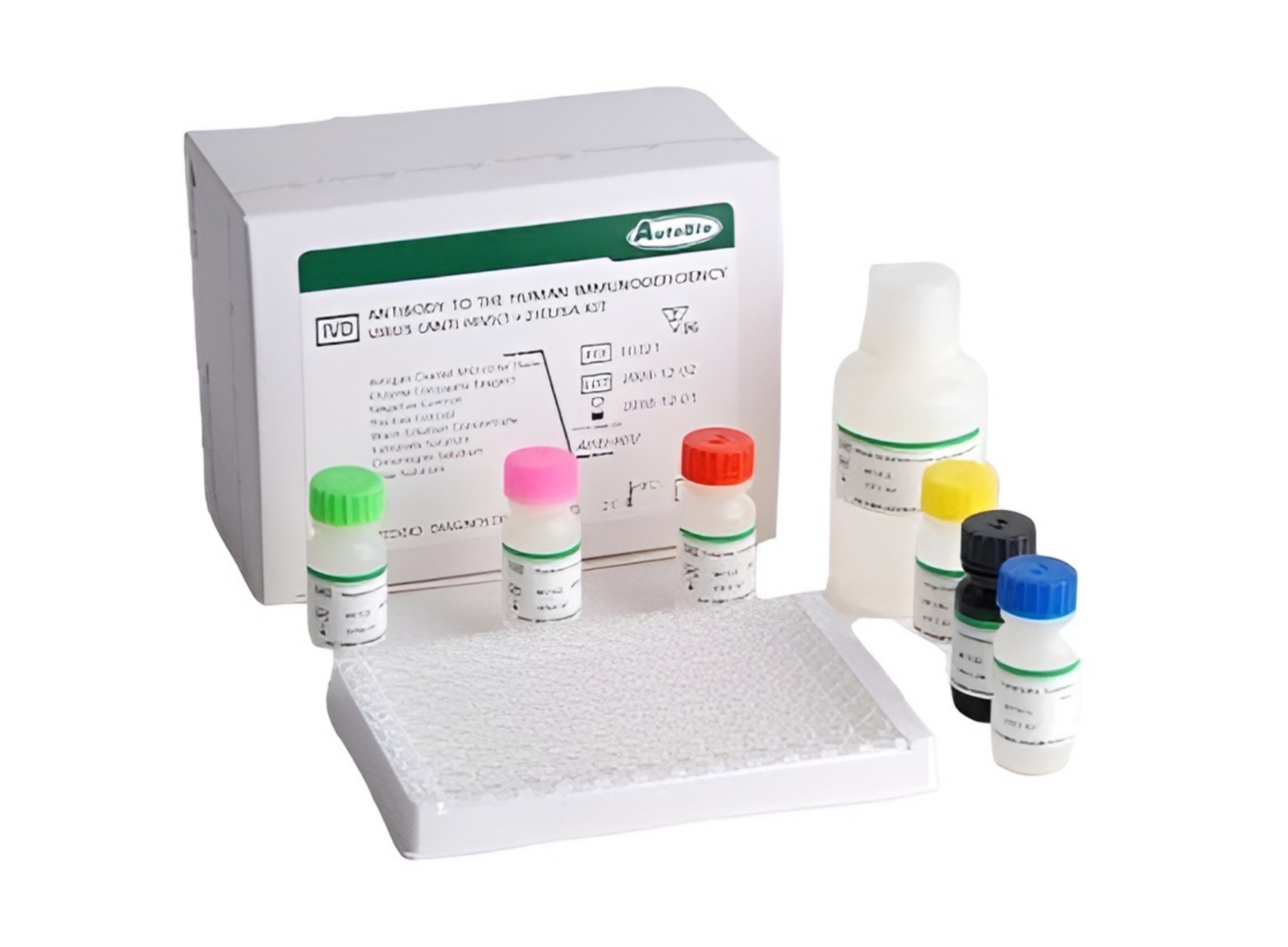
Brand: Autobio Diagnostics Co.
Origin: China
Number of Tests: 96 Tests

Standard Delivery
Delivery in 2-3 days
1 Year Warranty
Manufacturer warranty
Easy Returns
7 days return policy
Brand: Autobio Diagnostics Co.
Origin: China
Number of Tests: 96 Tests
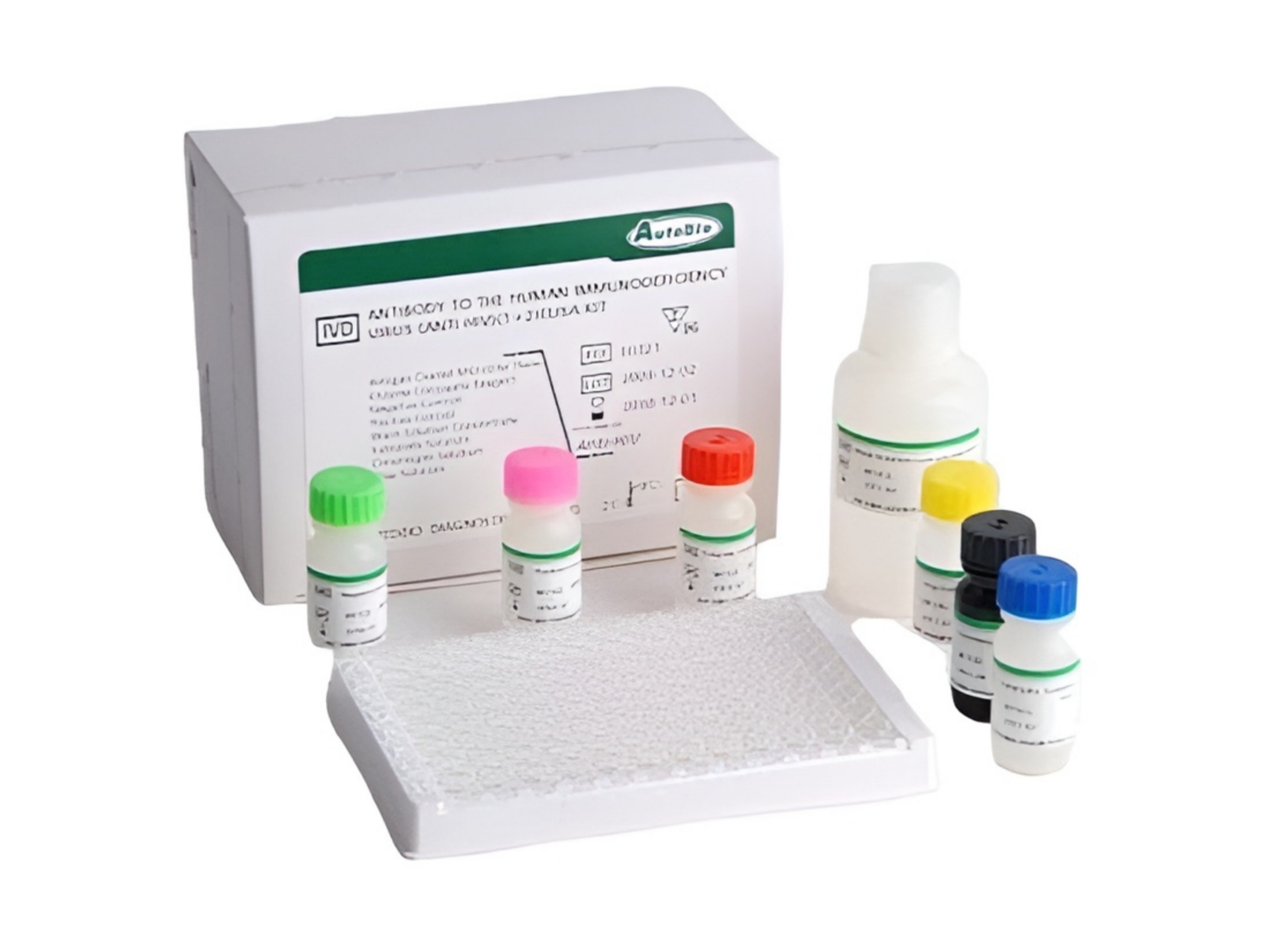
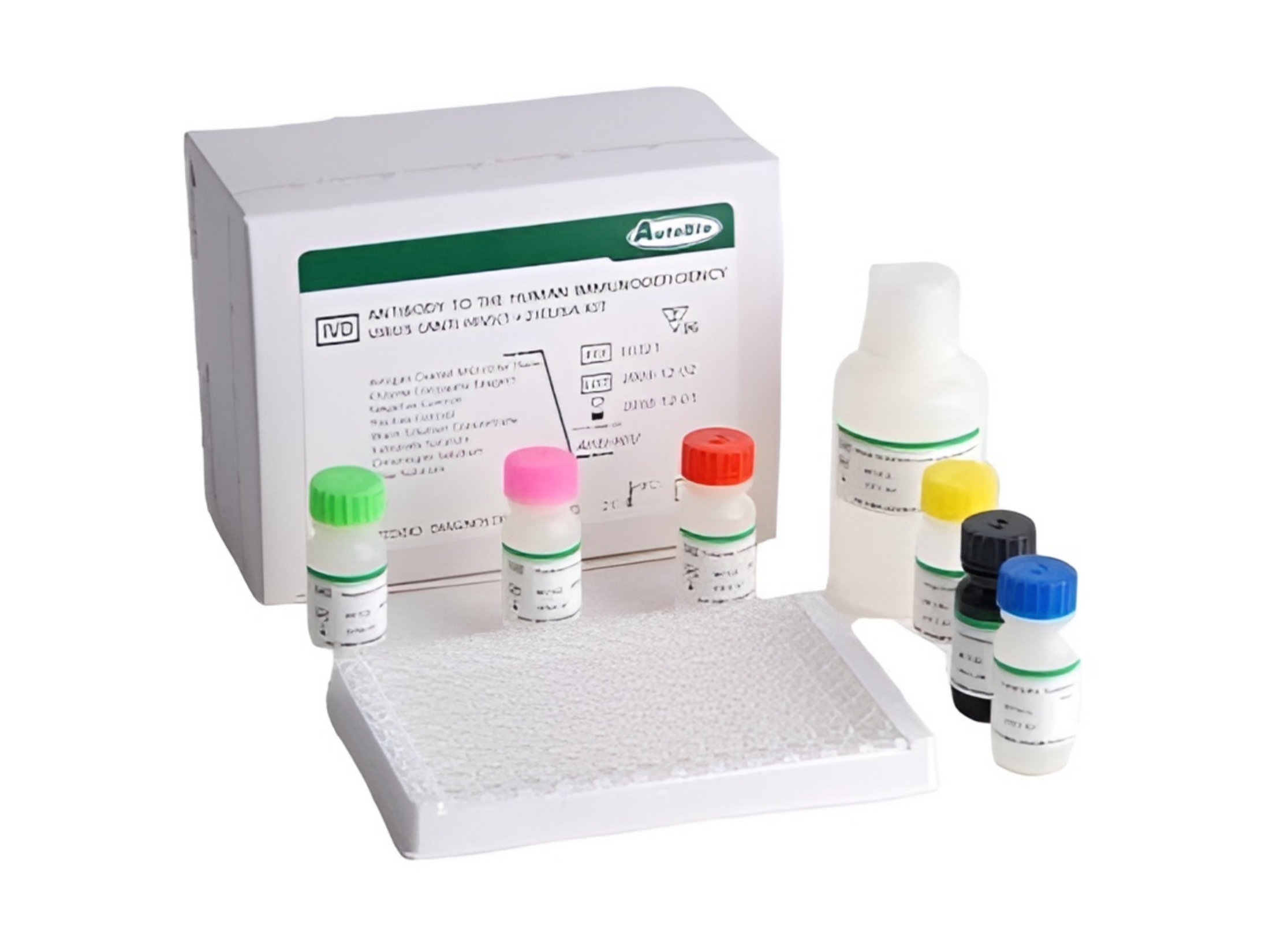
The PRL Hormone Test Kit – Autobio is a home test kit that detects the presence of prolactin in the blood. Prolactin is a hormone that is produced by the pituitary gland. Prolactin levels are typically higher in women, especially during pregnancy and breastfeeding. However, elevated prolactin levels can also occur in men and in women who are not pregnant or breastfeeding.
Features
Other Necessary Information
The PRL Hormone Test Kit – Autobio is not a diagnostic test. If you have any concerns about your prolactin status, you should talk to your doctor.
The test results may not be as accurate as those obtained from a traditional blood test performed in a doctor’s office.
The test may not be accurate for people with certain medical conditions, such as liver disease or kidney disease.
The test may not be accurate for people who are taking certain medications.
How to Use the PRL Hormone Test Kit – Autobio
To use the PRL Hormone Test Kit – Autobio, you will need to follow these steps:
Your results will be displayed on the test device within 10 minutes.
Interpretation of Results
A positive result on the PRL Hormone Test Kit – Autobio means that you have elevated prolactin levels in your blood. This may indicate a number of conditions, including:
If you have a positive result, you should talk to your doctor about further testing and diagnosis.
Additional Features
Benefits
Who should get a PRL test?
People who may want to consider getting a PRL test include:
If you have any concerns about your prolactin status, talk to your doctor.
Additional information
Prolactin is a hormone that is produced by the pituitary gland. Prolactin levels are typically higher in women, especially during pregnancy and breastfeeding. Prolactin levels are typically lower in men.
Prolactin has a number of functions in the body, including:
Elevated prolactin levels can cause a number of health problems, including:
Treatment for elevated prolactin levels depends on the underlying cause. In some cases, no treatment is necessary. In other cases, medication may be necessary to lower prolactin levels.