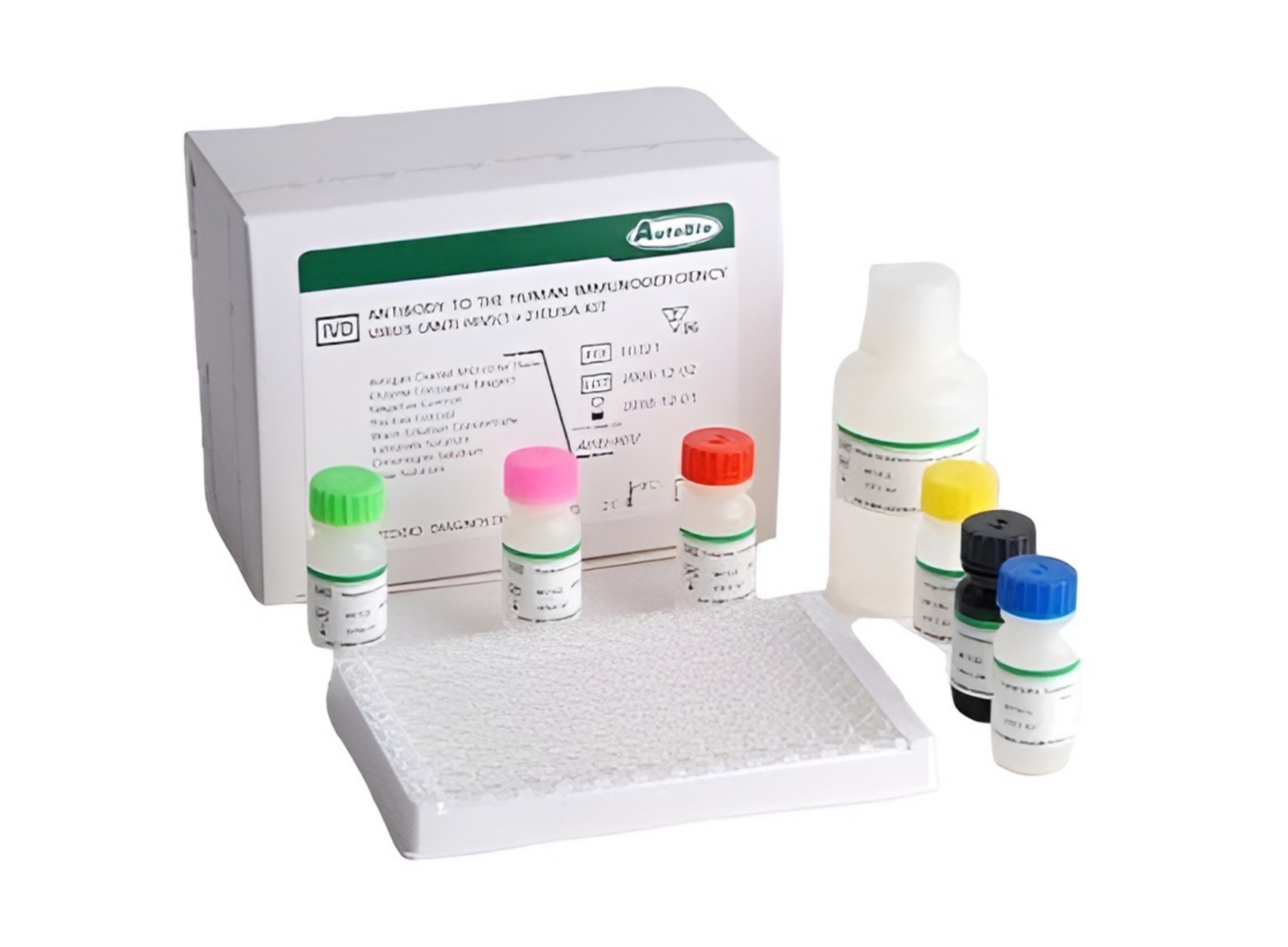
Brand: Autobio Diagnostics Co.
Origin: China
Number of Tests: 96 Tests

Standard Delivery
Delivery in 2-3 days
1 Year Warranty
Manufacturer warranty
Easy Returns
7 days return policy
Brand: Autobio Diagnostics Co.
Origin: China
Number of Tests: 96 Tests
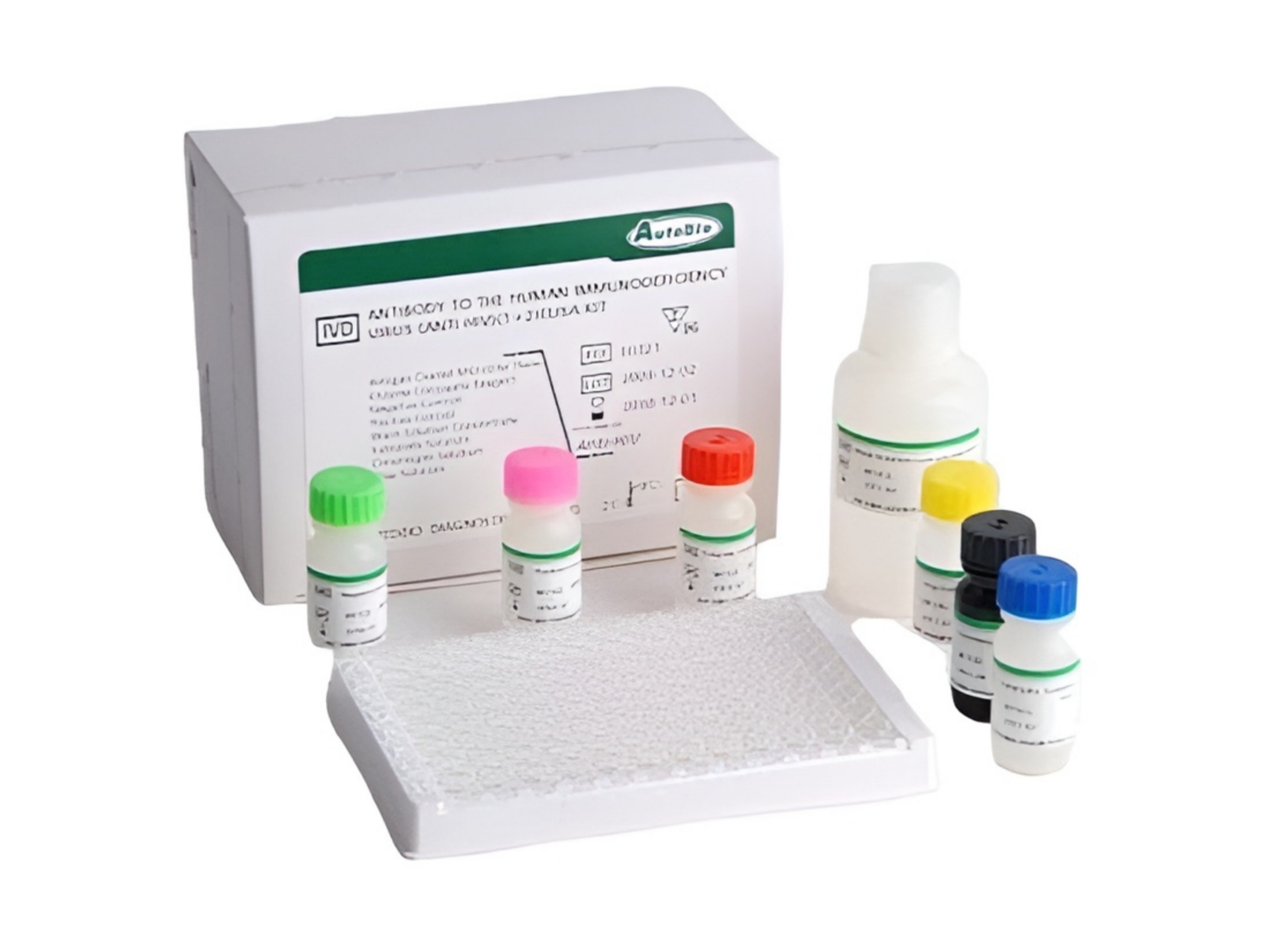
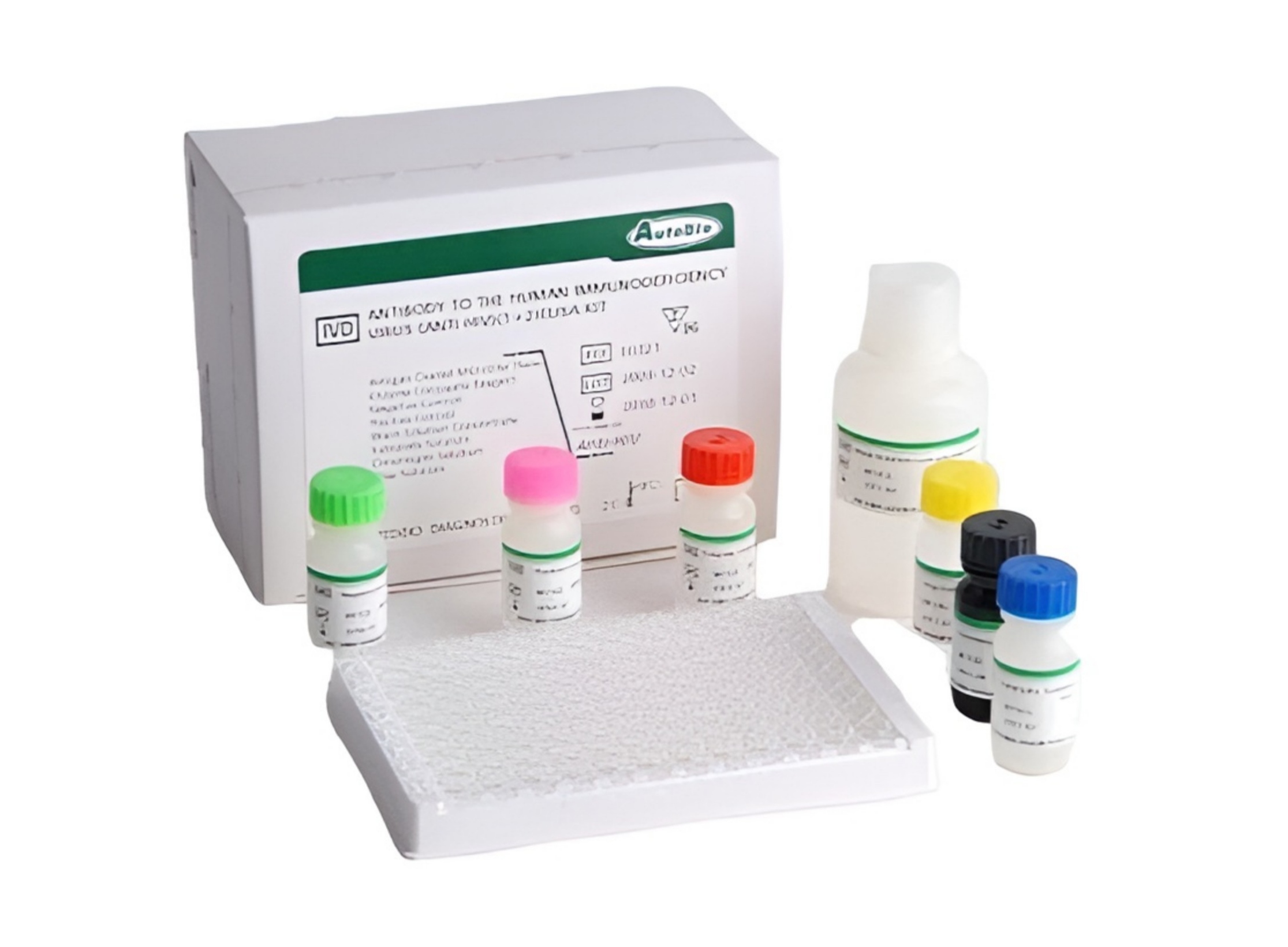
The IgE Hormone Test Kit – Autobio is a home test kit that detects the presence of immunoglobulin E (IgE) antibodies in the blood. IgE antibodies are proteins that are produced by the immune system in response to allergens. When a person is allergic to something, their body produces IgE antibodies to that allergen.
Features
Other Necessary Information
The IgE Hormone Test Kit – Autobio is not a diagnostic test. If you have any concerns about your IgE status, you should talk to your doctor.
The test results may not be as accurate as those obtained from a traditional blood test performed in a doctor’s office.
The test may not be accurate for people with certain medical conditions, such as autoimmune diseases or HIV/AIDS.
The test may not be accurate for people who are taking certain medications.
How to Use the IgE Hormone Test Kit – Autobio
To use the IgE Hormone Test Kit – Autobio, you will need to follow these steps:
Your results will be displayed on the test device within 10 minutes.
Interpretation of Results
A positive result on the IgE Hormone Test Kit – Autobio means that you have elevated IgE levels in your blood. This may indicate an allergic reaction, but it can also be caused by other conditions, such as parasitic infections or autoimmune diseases.
If you have a positive result, you should talk to your doctor about further testing and diagnosis.
Additional Features
Benefits
Who should get an IgE test?
People who may want to consider getting an IgE test include:
If you have any concerns about your IgE status, talk to your doctor.
Additional information
IgE is a protein that is produced by the immune system in response to allergens. When a person is allergic to something, their body produces IgE antibodies to that allergen.
IgE antibodies attach to mast cells and basophils, which are types of white blood cells. When an allergen binds to IgE antibodies on mast cells and basophils, it triggers the release of histamine and other chemicals. These chemicals cause the symptoms of an allergic reaction.
IgE levels can be elevated in people with other conditions, such as parasitic infections and autoimmune diseases. However, IgE testing is most commonly used to diagnose and monitor allergic disorders.
Preventing allergic reactions
The best way to prevent an allergic reaction is to avoid the allergens that trigger your allergy. However, this is not always possible.
If you are exposed to an allergen, there are things you can do to reduce your risk of an allergic reaction, such as taking over-the-counter allergy medications or carrying an epinephrine auto-injector (such as an EpiPen).